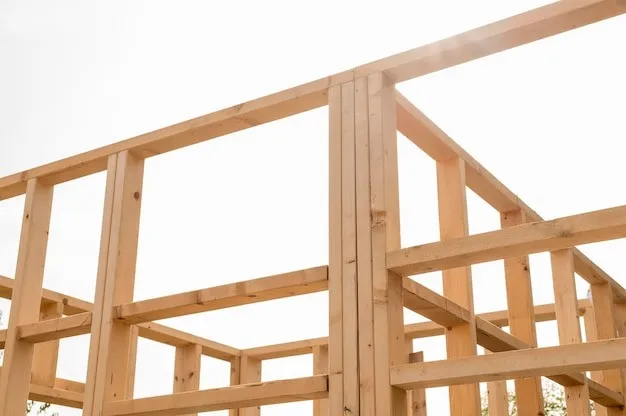
Sustainable Practices in Home Framing
As the construction industry continues to evolve, sustainable practices in home framing have gained traction. Home builders and homeowners alike are increasingly aware of the environmental impact of their choices. This blog post explores the importance of sustainable framing, the benefits of eco-friendly building materials, and practical tips for implementing green construction methods.
Understanding Sustainable Framing
Sustainable framing refers to the use of methods and materials in home construction that minimize environmental impact. This includes considering the lifecycle of materials, energy efficiency, and waste reduction. By prioritizing sustainability, builders can contribute to a healthier planet and create homes that are more resilient.
Key Principles of Sustainable Framing
- Utilizing renewable resources
- Choosing locally sourced materials
- Reducing waste through efficient design
- Incorporating energy-efficient practices
- Implementing water conservation strategies
Benefits of Eco-Friendly Building Materials
Opting for eco-friendly building materials not only benefits the environment but also enhances the overall quality and longevity of the home. Below are some key advantages of using sustainable materials in home framing:
- Lower carbon footprint
- Improved indoor air quality
- Increased energy efficiency
- Enhanced durability and lifespan
- Potential for lower insurance and maintenance costs
Popular Eco-Friendly Framing Materials
- Bamboo: Fast-growing and strong, bamboo is a great alternative to traditional wood.
- Reclaimed wood: Using salvaged wood reduces deforestation and adds character to homes.
- Steel: Recyclable and durable, steel framing is resistant to pests and requires less maintenance.
- Structural Insulated Panels (SIPs): These provide superior insulation and reduce energy consumption.
Implementing Sustainable Practices in Home Framing
Implementing sustainable practices in home framing can be achieved through careful planning and execution. Here are some practical tips for builders and homeowners:
- Choose a sustainable design that maximizes natural light and airflow.
- Work with local suppliers to reduce transportation emissions.
- Invest in high-quality insulation to reduce energy consumption.
- Incorporate energy-efficient windows and doors.
- Plan for future renewable energy installations, such as solar panels.
The Role of Professionals in Sustainable Framing
Engaging professionals who specialize in sustainable practices can greatly enhance the effectiveness of your green building project. Here’s how professionals can assist:
- Provide expertise in selecting sustainable materials.
- Assist in creating energy-efficient designs.
- Ensure compliance with green building certifications.
- Offer insights into the latest sustainable technologies.
Finding the Right Contractor
When looking for a contractor for your sustainable framing project, consider the following:
- Check for certifications in sustainable building.
- Look for experience in eco-friendly construction.
- Ask for references and past project examples.
- Discuss their approach to sustainable materials and practices.
Conclusion
Sustainable practices in home framing are not just a trend; they are a necessity for a healthier planet and a more efficient home. By understanding the principles of sustainable framing, leveraging eco-friendly materials, and working with knowledgeable professionals, homeowners can create spaces that are both beautiful and environmentally responsible. As the demand for green construction continues to grow, it’s vital to stay informed and make choices that align with sustainable values.