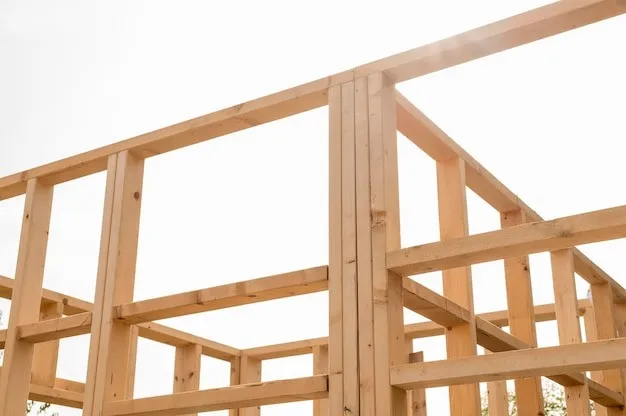
Innovative Techniques in Wood Framing
As the construction industry evolves, innovative techniques in wood framing are becoming increasingly important. Wood framing is not just about building structures; it's about creating sustainable, durable, and aesthetically pleasing environments. This blog explores the latest innovations in wood framing that are set to shape the industry in 2025 and beyond.
The Importance of Innovative Wood Framing Techniques
In the world of construction, innovation is key to meeting the demands of modern design and sustainability. Wood framing is a classic method that is continually being refined and improved. Here are some reasons why innovative wood framing techniques are critical:
- Enhanced structural integrity
- Increased energy efficiency
- Reduced construction time
- Lower material waste
- Improved aesthetic versatility
Emerging Trends in Wood Framing
As we look toward 2025, several trends in wood framing are gaining traction. These trends not only enhance the quality of construction but also offer unique design opportunities.
1. Cross-Laminated Timber (CLT)
Cross-Laminated Timber (CLT) is a revolutionary building material made from layers of wood laminated together. Its advantages include:
- Superior strength and stability
- Fire resistance
- Sustainability due to reduced carbon footprint
- Design flexibility for larger and taller structures
2. Prefabrication Techniques
Prefabrication involves assembling components of a building off-site before transporting them to the construction site. This approach offers several benefits:
- Quicker assembly on-site
- Minimized on-site waste
- Enhanced quality control
- Reduced labor costs
3. Advanced Software and Technology
Innovative software solutions are transforming the wood framing industry. Technologies such as Building Information Modeling (BIM) allow for:
- Detailed visualization of projects
- Improved collaboration among stakeholders
- Efficient project management
- Enhanced safety through risk analysis
Sustainability in Wood Framing
Sustainability is at the forefront of construction innovation. Wood framing, inherently a renewable resource, can be made even more sustainable through various practices:
- Utilizing reclaimed wood
- Implementing efficient waste management strategies
- Incorporating energy-efficient designs
- Adopting carbon-neutral practices
Challenges and Considerations
While there are numerous benefits to innovative wood framing techniques, there are also challenges that builders must consider. These include:
- Regulatory compliance and building codes
- Initial higher costs of advanced materials
- Need for skilled labor
- Potential for moisture and pest issues
Conclusion
Innovative techniques in wood framing are paving the way for a more sustainable and efficient construction industry. As we approach 2025, embracing these trends will not only enhance building quality but also contribute to environmental stewardship. Companies like C & B Framing LLC are at the forefront of these advancements, committed to integrating innovative solutions into their projects. For more information on how innovative wood framing can benefit your next construction project, visit [C & B Framing LLC](https://candbframingllc.com).